|
|
|
|
 | L'immensità di Dio nelle grandi opere di Hugon e G.-Lagrange
Edizioni EFFEDIEFFE
Per il mese di Aprile 2026 Effedieffe pubblica quattro nuovi testi, proseguendo la stampa dei libri del p. Hugon e del p. G.-Lagrange iniziati nel 2024. Oggi possiamo finalmente dare seguito alle loro opere, suggerendo ai lettori i loro volumi di grande importanza.
| Contemplando la realtà con gli occhi di Gesù, di Maria e di S. Tommaso
Edizioni EFFEDIEFFE
Per il mese di Marzo 2026 Effedieffe pubblica quattro nuovi testi. Insegnando l’essenza della spiritualità e della filosofia, questo libri, come una spada a due tagli, s’internano sino alla divisione dell'anima e dello spirito (Ebrei 2, 14).
| D. Columba Marmion e il Card. Mercier
Edizioni EFFEDIEFFE
“Dom Columba è il ritorno al sano realismo nella pietà” (card. Mercier). A Dom Marmion abbiamo voluto dedicare questa uscita editoriale di Febbraio.
|
|  | La Giudeo-Massoneria non può nulla contro Maria
Edizioni EFFEDIEFFE
Per il mese di Maggio 2026 siamo felici di poter riuscire a concludere alcune opere (Delassus, S. Alfonso), proseguendo poi con quella di mons. E. Jouin. Completiamo questo mese con la bellezza di un nuovo libro su Maria scritto dal p. Gabriele Roschini, che unisce insieme rarità e preziosità.
|  Consolazione e coraggio Consolazione e coraggio
Edizioni EFFEDIEFFE
Da tempo lavoravamo ai contenuti che oggi presentiamo ai nostri lettori. Per ragioni di palpitante attualità, questi libri possono rappresentare un punto di riferimento per i cattolici, da dove poter attingere consolazione e coraggio.
|  Cristianesimo contro Massoneria e Comunismo Cristianesimo contro Massoneria e Comunismo
Edizioni EFFEDIEFFE
Anche per questo S. Natale riusciamo a pubblicare quattro libri che speriamo possano contribuire alla rinascita del pensiero cattolico (ed antisovversivo) in vista della restaurazione dell’ordine religioso, sociale politico ed economico.
| Maria e i Ss. Sacramenti
Edizioni EFFEDIEFFE
Per il mese di Settembre 2025 raggiungiamo con soddisfazione l’uscita del 3° volume della “Teologia per tutti” del p. Fanfani O. P., incentrato sui SS. Sacramenti, al quale siamo lieti di poter affiancare la grande opera del sac. E. Campana, che accompagnò per 50 anni teologi e laici interessati allo studio approfondito di Maria.
|
|
|

|
|
|
|
Articoli piu' letti della settimana
Pensieri (s)corretti sulla pandemia COVID-19
Klaus Foresti
La circonvenzione sanitaria in fase di attuazione (una forma liquida e viscida di persuasione con la quale il sistema può raggiungere senza eccessivi traumi i propri obbiettivi) appare sempre più avere un fine politico, sia locale che globale, per cambiare l’ordine delle cose.
| Vaccino o sterminio programmato?
Alfonso Marzocco
|
|
 | Maria e i Ss. Sacramenti
Edizioni EFFEDIEFFE
| A difesa della Cristianità
Edizioni EFFEDIEFFE
Per questo mese di giugno 2025, pubblichiamo 4 nuovi libri: due testi del grande biblista Marie-Joseph Lagrange, un testo molto importante del card. Billot e la prima parte della bellissima vita di Sant'Alfonso del card. Capecelatro.
|
|
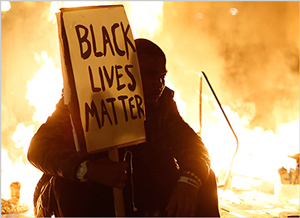 | Dietro alla rivolta
Roberto Dal Bosco
Una città senza più leggi è l’esecuzione dell’ennesimo parricidio: tutto diventa possibile. La morte dello Stato-padre permette le gozzoviglie dei pedofili e quelle del capitalismo più imperialista. L’anarchia è solo un pretesto per distruggere l’ordine morale: una zona senza più... | Colao e il complotto delle Smart Cities
Roberto Dal Bosco
Con la connettività a spettro completo delle smart cities gli uomini potranno operare solo diventando più «robotici», cioè prevedibili e aderenti macchinalmente al sistema. Più controllo, meno libertà: è lo scambio necessario per salvarci e per uscire dalla crisi.
|
|
 | Bunga Bunga addio
Roberto Dal Bosco
La mercurialità assassina, la sozzura dei media italiani, servi dell’establishment e pronti a dimenticare l’’uomo che hanno lordato per decenni se questo si presta a dare una mano ai loro padroni, è il dato più volgare dell’’intera faccenda. Hanno molestato la famiglia Berlusconi per... | L’Italia deve morire
Alfonso Marzocco
|
|
 | Morte a Montmartre, guerra vera
Quello di Massimo Insalata è un evento unico: per trovare un’altra morte di agente AISE sui giornali bisogna tornare indietro di 10 anni e volare in Afghanistan. Il giochino della spia morta casualmente lo abbiamo già visto, e il balletto pudìco di tutte le parti interessate – Ambasciate,... | I soliti dietro ad Haftar
Maria Orsola Bruni
Chi può aver spinto Haftar nella sua azione sconsiderata? La prima risposta è politica e, visto che di mezzo c’è la mediazione delle Nazioni Unite, transnazionale. E nei prossimi giorni la situazione può divenire infinitamente più pericolosa e destabilizzante. Non solo per la Libia. Per... |
|
 | L’arcobaleno della nuova alleanza
Roberto Dal Bosco
La bandiera gay mira a significare una nuova alleanza, stabilita con «ogni carne sulla terra». L’iride omosessuale è stata ripetuta ovunque — perfino in faccia al Vaticano. Un cambiamento di paradigma non ideologico, ma teologico.
| Il caso di Cristina Campo
Marco Toti
|
|
|
|
Articoli piu' letti del mese
 | Il Gran Gala delle simulazioni
Francesco Paone
Il 12 novembre 2015 tutto era stato previsto (crisi alimentari, guerra in Ucraina, inflazione). Per renderti più povero, schiavo e dipendente dalle politiche del tuo governo, quest’ultimo non... | Net Zero (emission) DIGNITY
Francesco Paone
I cambiamenti in arrivo sono così grandi che anche il socialista più stupido non li accetterebbe. Per ovviare al problema occorrono grandi shock per le masse di inquinatori, accompagnati da... |
|
Israele: chutzpah e strapotere (e Oi! Oi! Oi!)
Roberto Dal Bosco
Gli israeliani avrebbero ucciso qualcosa come 16 capi di Hamas. La chutzpah è alle stelle. L’escalation della crisi, con fuochi, razzi e marcette kahaniste, è arrivata in un momento cruciale nella politica israeliana. Resta il fatto che il piano è di rimuovere la moschea al-Aqsa. Cosa... |  | Armenia-Azerbaigian, guerra mondiale
Benedetto Falchi
È una guerra per l’esistenza – ha detto il presidente della Repubblica del Karabakh, Arayik Arutyunian. La Turchia partecipa al conflitto affiancando militarmente l’Azerbaigian e con mercenari transnazionali (i combattenti siriani anti-Assad).
|
|
 | Mossad, CIA, Africa e diamanti
Roberto Dal Bosco
La primazia israeliana sulle tecnologie militari e digitali non sarebbe possibile senza l’iniziale profitto dei diamanti. L’ebreo dei diamanti per eccellenza è Dan Gertler, miliardario i cui traffici furono protetti da Trump ma oggi non da Biden e denunciati dalle ONG di Soros. Il potere che... | E il rabbino disse: l’usura porterà un nuovo olocausto
EFFEDIEFFE.com
È l’usura il trigger metafisico che scatena le cicliche colossali persecuzioni contro gli ebrei. Lo dice il rabbino Reuven, scagliandosi contro millenni di storia ebraica. È il tempo dell’irrazionalità, dove un rabbino, che ha rifiutato il Logos, può dire cose estremamente logiche. ... |
|
Cina, infiltrazione totale
Roberto Dal Bosco
La Cina è ovunque: nelle istituzioni finanziarie, ricerca medico scientifica, multinazionali Big Pharma e pure pezzi di governi stranieri. L’Occidente è stato davvero infettato dalla Cina (e non solo dal virus), e finisce per somigliarle sempre di più.
| Il coronavirus spinge la guerra in Libia
Rolando Spiller
|
|
Dal Rosario in latino al Grande Reset
Klaus Foresti
A questo punto è quantomeno ovvio che la realizzazione pratica del Grande Reset può avvenire solo costringendo il mondo al giogo di un nuovo bolscevismo (che sia per mezzo dei vaccini o del green pass, importa relativamente). L’Enciclica di papa Francesco e la recente opera del filosofo ateo... | Diritto alla vita? Ancora su CL
Marco Toti
Il crollo di tutto un universo “religioso” ha generato il baratro della morale e della ragione. Non si è padroni della propria vita, ciò che i ciellini stentano a ricordare chiaramente, lontani anni luce da qualsiasi concezione “positiva” della morte.
|
|
 | I film dell’ordine mondiale
Benedetto Falchi
Dopo Schindler’s List la narrativa dell’Olocausto non è stata più la stessa, si è compattata sino a divenire inscalfibile. La legge Mancino fu approvata poco dopo che la pellicola aveva riempito le sale di tutto il mondo. I film infatti hanno la forza di farci cambiare idea su argomenti... | Gli horti palatini farnesiorum
Giuseppe Biamonte
|
|
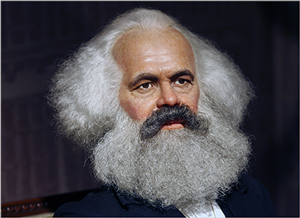 | Il peggior uomo della storia moderna
La Redazione
L’utopia che partì da Marx e dai circoli di cui faceva parte provocò la morte di non meno di cento milioni di persone, perpetrata da coloro che ispirò, così come la schiavitù della maggior parte della popolazione della regione eurasiatica. Ciononostante ancora oggi esistono professori,... | L’ora più buia (per noi)
La Redazione
Il sistema finanziario mondiale, controllato dalle medesime persone dell’epoca di Churchill, ancora una volta si vede minacciato da alcuni Paesi che tentano di divincolarsi dalle sue strette. Le ragioni di ieri sono le stesse di oggi, sia in termini di gestione degli eventi sia in termini di... |
|
|
|
|
|
|
|
La Dittatura Terapeutica
L’unica ed estrema forma di difesa da questo imminente, sottovalutato, tragico pericolo particolarmente grave per l’Italia, è la presa di coscienza
| Contra factum non datur argomentum
George Orwell con geniale e profetico intuito, previde l’oscuramento delle coscienze, il tramonto della civiltà, l’impostura e apostasia dalla verità che viviamo, quando scrisse “nel tempo... |
|
|
|